Leading With Integrity and Purpose
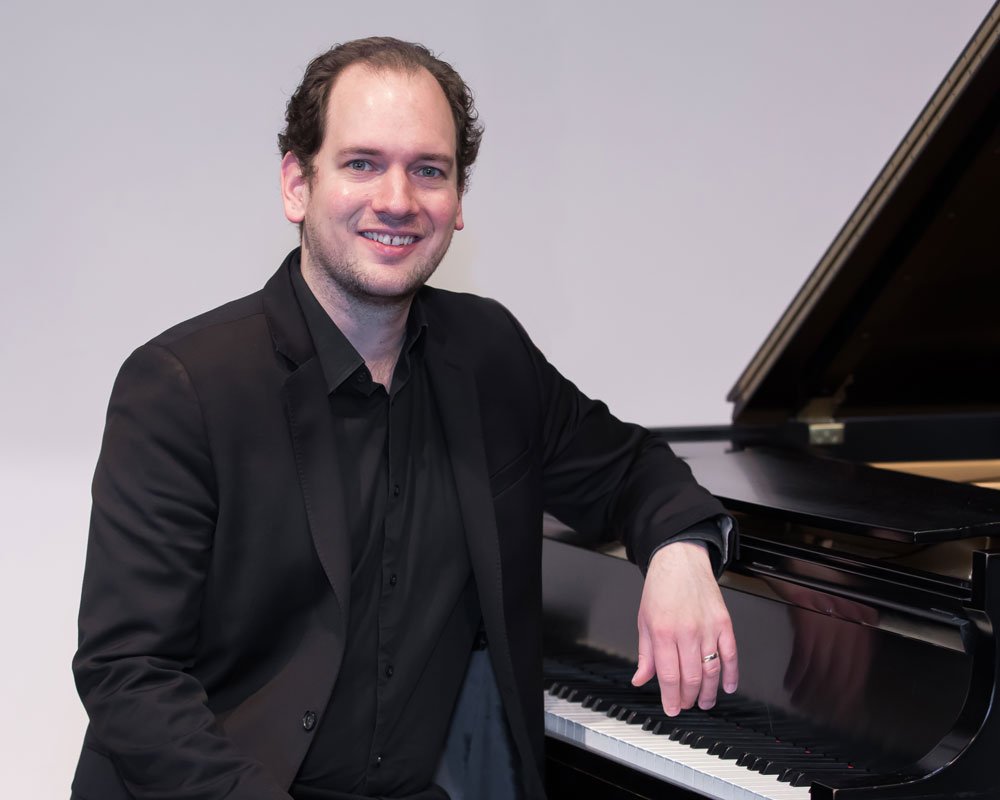
Dr. Jonathan Roberts, Founder & Director of South Shore Piano School
What This Workshop Taught Us About Music, Messaging, and Meaningful Service
In a world that often pushes young musicians to “be practical,” this workshop reminded us why music, leadership, and service belong together—and why authenticity matters more than optics.
Jonathan Roberts joined students and mentors to share his journey through higher education, nonprofit leadership, and entrepreneurship (this post refers to Jonathan Roberts, not VMA Director Jonathan Yasuda). Along the way, he encountered a familiar challenge: institutions that talked about mission, but allowed bureaucracy and internal politics to dilute real impact. That experience ultimately led him to found South Shore Piano School, an organization built around a simple but radical idea—put people first.
From fair teacher pay and long-term growth to democratic decision-making, Jonathan emphasized that leadership isn’t about authority. It’s about alignment. When values guide decisions, culture follows.
Why Messaging Matters
One of the most powerful insights from the workshop centered on messaging. Jonathan shared an early lesson from building his school’s website: impressive performance photos unintentionally intimidated beginners. The fix wasn’t lowering standards—it was shifting perspective.
Effective messaging, he explained, starts with empathy. When we communicate with clarity and honesty, the right people feel welcomed in.
Leadership Is a Choice, Not a Title
When asked what leadership decisions shaped his path, Jonathan pointed to one guiding principle: mission over comfort. Sometimes leadership means staying within a system and pushing for change. Other times, it means creating something new entirely.
For students, this was a powerful reframing. Leadership doesn’t begin with a role—it begins with values.
Reframing the “Starving Artist” Narrative
Another major student question tackled the discouragement surrounding classical music careers. Jonathan acknowledged the reality behind the stereotype, but challenged its inevitability.
The real issue, he argued, is not music—it’s a lack of honest preparation. Music education often trains students artistically without teaching sustainability, communication, or how teaching and performing can coexist. Encouraging realistic conversations, outreach, and service-based music-making helps students see music as a lifelong skill, not an all-or-nothing gamble.
Just as importantly, music doesn’t need to become a profession to be valuable. Discipline, consistency, emotional intelligence, and joy are outcomes that matter no matter where life leads.
Service That Feels Real
Throughout the workshop, students explored outreach models, fundraising ideas, and club leadership structures. A recurring theme emerged: service should feel real and human, not forced or performative.
Whether through outreach concerts, dual-benefit fundraising campaigns, or student-led initiatives, the goal is connection—between musicians, communities, and causes.
The Big Takeaway
Colleges, communities, and donors don’t just care about awards or titles. They care about impact.
Students who lead with intention, commit to service over time, and communicate authentically stand out—not because they followed a formula, but because they cared enough to build something meaningful.
That’s the kind of leadership this workshop aimed to cultivate—and it’s exactly the kind the future of music needs. Thank you, Jonathan, for your guidance, insight, and support of the VMA mission!