“Let’s Talk About Fundraising, Baby; Let’s Talk About You and Me”
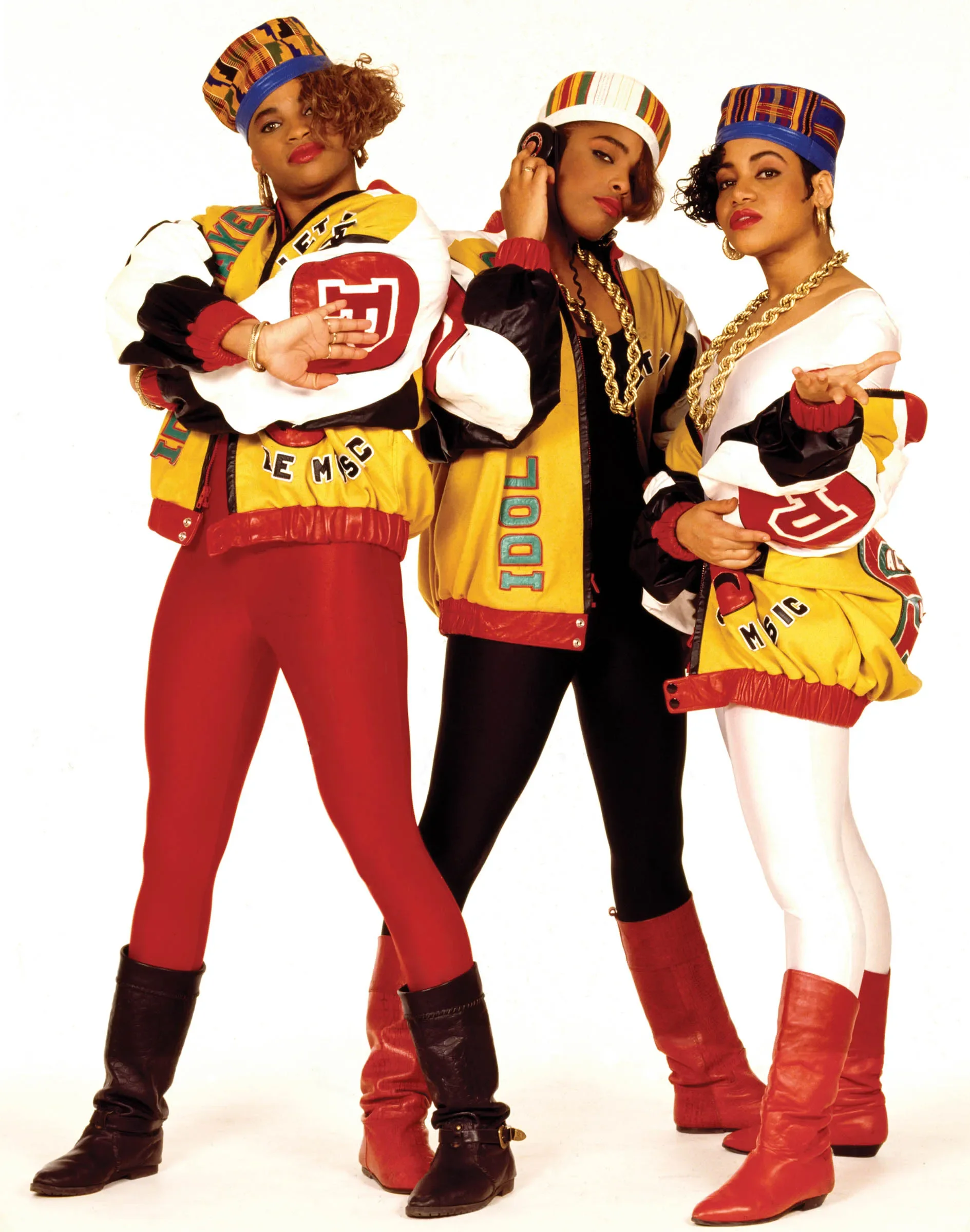
GenZ: You wish you were raised in the 80s/90s.
In 1991, Salt-N-Pepa released the song “Let's Talk About Sex.”
The hit song did more than open up uncomfortable conversations at the family dinner table. It brought awareness to the stigma and taboo surrounding sexual health.
Yet while society continues to learn how to discuss topics like health and relationships more openly, how often do you hear a parent say “Kids, it’s time we talk about financial responsibility, stewardship, and how organizations actually sustain themselves.” It’s a borderline late night comedy skit, right?
Salt-N-Pepa would pop out from backstage and sing a remix:
Let's talk about [fundraising], baby
Let's talk about you and me
Let's talk about all the good things
And the bad things that may be.
Let’s start with the good things.
When students think about volunteering, they often picture helping within an organization that already exists — like assisting at an animal shelter, helping at a food pantry, or volunteering at a veterinary clinic. In many of these situations, students are joining an already-established system with paid staff, facilities, operating budgets, and long-standing infrastructure already in place.
That type of volunteering is of course valuable and meaningful.
But organizations like Volunteer Musicians for the Arts operate a little differently.
At our core, we are a youth-centered nonprofit organization intentionally designed to encourage young classically trained musicians of all ages to develop a lifelong habit of community service engagement. This is why our Junior Program has a Leadership Initiative roadmap that helps students hone their skills across our three mission pillars: service, fundraising, and leadership. We offer free virtual workshops throughout the year to discuss real life leadership scenarios.
When we come together, we find a way through the thicket. We realign ourselves with the mission of giving everyone orchestra orchestra seats. And these are all very good things.
There’s More Than One Way To Eat a Reeces
Harkening back to Salt-N-Pepa, they mentioned all the good things and the bad things that may be.
The VMA believes that childproofing or shielding the next generation from the not-so-glamorous realities or ethical quandaries of nonprofit fundraising would only be doing them a disservice in the end. Because out in the real world, all notes may be created equal, but some notes are more equal than others.
A kid in a rural town without many friends nearby might find organizing club outreach more of a challenge than a member who attends a city music school every weekend, surrounded by fellow musicians. But maybe stewardship comes easier to that kid in the rural town because the town mayor and its board members are all family or close family friends who care deeply about his future success as a compassionate leader.
There’s an adage for our young members to ponder here, especially those preparing for college — the cream rises to the top. If you want to gain the most from the Junior Program’s Leadership Initiative and Student Government, don’t measure yourself against others in your pursuit of truth through faith and/or reason. If you pour yourself into the three pillars of service, stewardship, and leadership, you will not only be surprised to find yourself receiving recognition, but you’ll carry the lessons learned into all your future endeavors.
If you don’t suffer from performance anxiety, and giving concerts is easy to you, then give more of yourself — get out there and be more. If going to the movies or dining out with your family every weekend, or buying that cello and funding private lessons were never financial hurdles, then maybe supporting the VMA is a viable family path to explore.
Awards are always a double-edged sword — they give you the moral fortitude to cut through injustice, rising up the ranks in your office workplace perhaps; but they can also work towards your detriment, leaving you more empty than when you began the journey. As Aristotle once said, awards conferred often say more about the presenter than the honoree. Admissions officers want to hear authenticity in your voice behind every award.
Final Thoughts On “The Talk”
Here’s a good rule of thumb: students who reach out to relatives, family friends, neighbors, local businesses, teachers, and community supporters often gain the most not just from stewardship, but from the whole Junior Program experience. They learn:
How to communicate a mission clearly
How to advocate for a cause they believe in
How nonprofit organizations build support networks
How communities rally around meaningful initiatives
How outreach expands beyond a single family circle
In many ways, stewardship becomes an extension of service itself.
As the Founder and Director of the VMA, I hope you find your voice in navigating all the many ways you can, and will, do good in this crazy world.